Le Journal


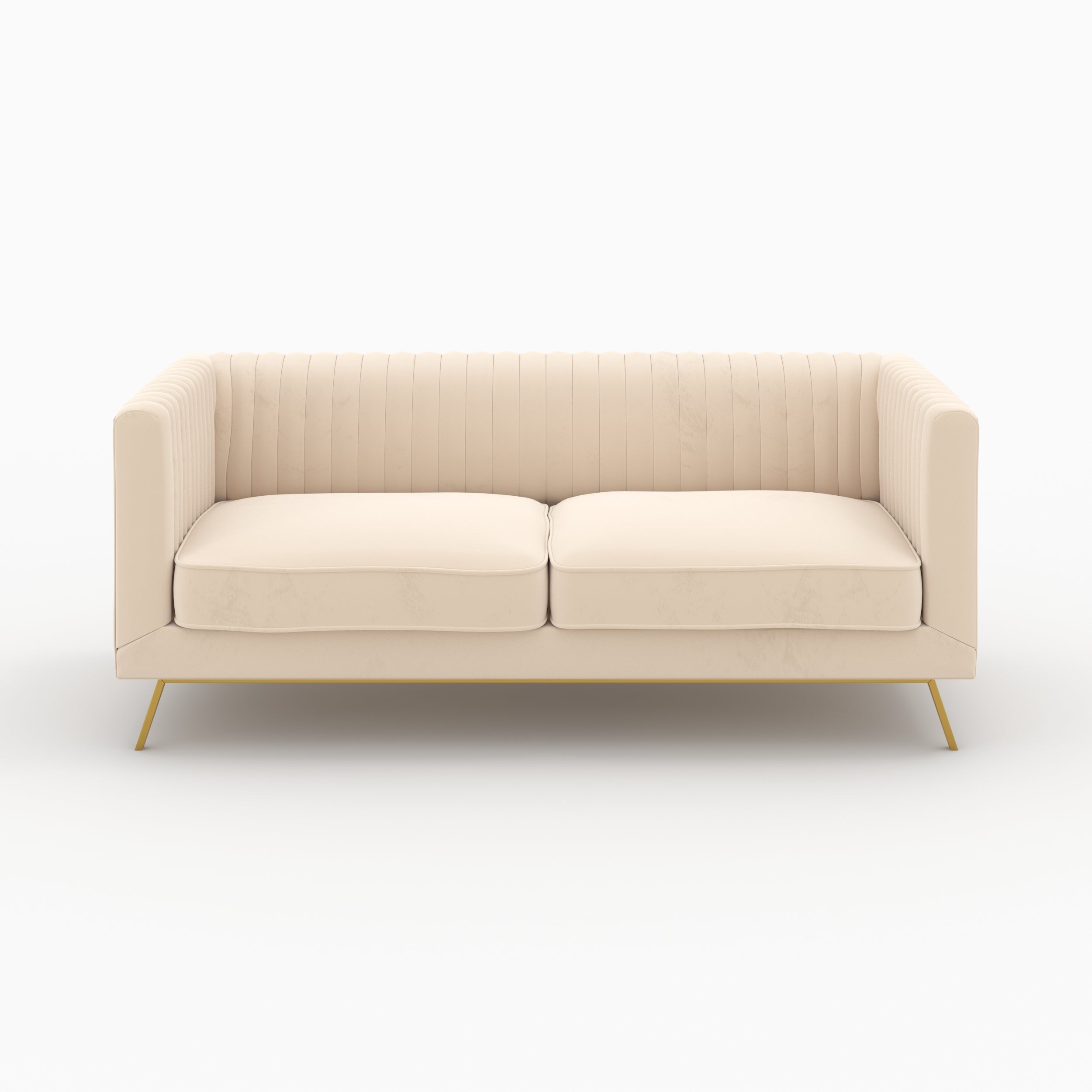
The criteria for choosing a sofa
That’s it, you’ve decided: you want a new sofa or an additional sofa for your living room or lounge area. Before you start shopping for a sofa online, here are a few simple tips to help you make the right choices and get the sofa of your dreams.
Learn more
How to choose an armchair wisely?
The essentials To choose an armchair, start by defining how it will be used: reading, chatting, watching a film or simply adding seating to the room. Then check its dimensions, distinguishing the overall footprint from the width and depth actually available for sitting. A comfortable armchair suits your body shape and preferred position: pay particular attention to the seat depth and height, the backrest and the armrests. Choose the upholstery for its appearance, feel and maintenance requirements: velvet, leather, rattan and fabric do not require the same care. Finally, consider the armchair alongside the rest of the room: it can extend the style of the sofa or introduce a more distinctive contrast. To choose an armchair, start by defining how it will be used: reading, chatting, watching a film or simply providing extra seating. Then make sure its comfort suits the way you like to sit and that its dimensions fit into the room. Its shape, colour and material matter too, but they come second: a successful armchair must first be suited to your everyday life. Before discovering our armchair collection, here are the main criteria to compare when making your choice. How do you choose an armchair? The right armchair is one that suits your use, body shape, available space and interior style. Before settling on its shape or colour, proceed in this order: Define its main use. An armchair intended for reading does not meet exactly the same needs as occasional seating in a living room. Measure the available space. Consider its width and depth, as well as the space needed around it to keep moving around easily. Check the seat dimensions. Seat depth, width and height directly affect your position. Look at the backrest and armrests. They should suit the way you like to sit. Choose the material and style. You can then refine your choice according to your tastes and everyday requirements. A simple method is to compare the dimensions of the armchair you are interested in with those of a seat you already use and find comfortable. What are the different types of armchairs? Armchair names may refer to a shape or a function. When choosing, the most useful approach is therefore to start with the use you are looking for. Type of armchair What characterises it Recommended use and room Club armchair Padded volumes, generous armrests and an enveloping silhouette Reading or chatting in a living room or office Swivel armchair Seat that turns on its base Easily moving from one area to another in an open-plan living room Rocking armchair Base allowing a rocking motion Enjoying some quiet time in a bedroom or reading corner Outdoor armchair Materials and finishes designed for outdoor use Furnishing a terrace, balcony or outdoor space The club armchair The club armchair is recognisable by its padded seat and enveloping volumes. Traditionally associated with leather, it is also available in other upholstery materials: check the material stated on the product page, as a leather-like appearance does not mean that it is leather. A club armchair adds character to an office or reading corner. Its armrests and depth can take up space: compare its external footprint with the space actually available for sitting. Discover club armchairs. The swivel armchair A swivel armchair lets you change direction without moving the entire seat. In an open-plan living room, it adapts to different moments throughout the day: chatting with someone, watching a film, then turning towards the window. Leave enough space around it so that the backrest and armrests do not hit the wall or neighbouring table while rotating. Discover swivel armchairs. The rocking armchair A rocking armchair, or rocking chair, adds a rocking motion to the seat. It works well in a bedroom or quiet corner of the living room, for reading or taking a break. Its placement requires clearance at the front and rear. Also check that the floor is suitable for the base and that the movement remains unrestricted in the intended location. Discover rocking armchairs. The outdoor armchair An outdoor armchair must be expressly designed for outdoor use. Check the materials, finishes and the manufacturer's protection instructions, as well as whether it is intended for sheltered or uncovered use. Cushions may need to be stored separately. Discover outdoor armchairs. How do you choose a comfortable armchair? A comfortable armchair primarily suits your body shape and preferred position. A soft-looking appearance is not enough: check the seat depth and height, the backrest and the supports, bearing in mind how much time you will spend in it. What seat depth and firmness should you choose? The right seat lets you settle in without having to compensate for its shape. For an upright sitting position, check that you can rest your back while keeping your feet on the floor. A seat that is too deep may force you to move forward and lose the support of the backrest. If you like to draw your legs up, a wider and deeper seat may suit you better. A firm seat offers a more stable feel, while a soft seat allows you to sink in further. For long reading sessions, above all ask yourself whether you can change position easily. What seat height should you choose? The right seat height allows you to sit down and stand up easily while keeping your feet comfortably placed on the floor. A seat that is too low can make you feel deeply sunk into the armchair, while one that is too high may prevent you from placing your feet properly on the floor. Your height and the way you sit are therefore decisive: there is no ideal height for everyone. When choosing online, compare the seat height shown on the product page with that of a sofa or armchair you already find comfortable at home. This is a simple reference point for better anticipating your position. The backrest and back support The backrest should provide support where you need it, in your usual position. A low backrest supports part of the back; a high backrest can extend this support towards the shoulders, or even the neck depending on your height. An enveloping shape supports the sides of the torso, while a straighter backrest encourages a more upright posture. To choose a comfortable armchair for your back, consider these support points and the seat depth. No shape alone guarantees freedom from pain. Do you need armrests and a footrest? Armrests are useful when they allow you to rest your forearms without raising your shoulders. For reading, check their height and the space remaining between them. Wide armrests can be comfortable, but they sometimes reduce the usable seat width. A pouf or footrest lets you stretch out your legs to watch a film or relax. Consider the armchair and footrest as a set from the outset to make sure you have enough space. How can you make an armchair more comfortable? A well-placed cushion, a pouf and a suitable location can improve comfort. A cushion reduces excessive depth or provides additional support; a throw adds a softer feel. Also place the armchair near lighting suitable for reading. What dimensions should you allow for your armchair? Measure the location and the armchair's total footprint before buying. Distinguish the external dimensions from the seat dimensions: thick armrests can take up a lot of space without providing more room to sit. Pay particular attention to: overall width; overall depth; overall height; seat width; seat depth; seat height. Then mark out the floor space with masking tape and walk around it. Can you reach the sofa, open a storage unit and get to the coffee table? Allow for the movement required by a swivel, rocking or reclining model, as well as a possible pouf. Also compare the proportions with those of the sofa and coffee table. Pay particular attention to the backrest height: a very tall armchair draws more attention next to a low sofa. In a small living room, a compact width, visible legs and a low backrest can make the overall look feel lighter. Nevertheless, keep comfort as your guide: a discreet silhouette must also allow you to sit properly. Finally, check the route through doors, stairways or the lift. Which material should you choose for an armchair? Choose the upholstery for its appearance, feel and maintenance requirements. The composition and finish matter just as much as the name of the material: consult the information specific to the model. Velvet The velvet armchair provides a soft surface and reflections that make the colour change with the light. Its appearance may vary depending on the direction of the pile. For care, follow the instructions; for combinations, explore our velvet decorating ideas. Leather The leather armchair offers a texture whose grain and feel vary according to the finish. Smooth or woven, it can complement contemporary décor as well as a vintage setting. Check the type of leather before cleaning and use compatible products. Our guide to caring for a leather sofa outlines the precautions to adapt to your armchair. Rattan Rattan is a material, not a type of armchair: a rattan armchair may therefore also be swivel, rocking or have another shape. Rattan adds texture through its stems or woven finish. It feels firmer than padded upholstery; cushions can complete the seat. Dust settles in the gaps, which require regular attention. Also look at whether cushions are included and at the shape of the backrest: lightly padded weaving does not feel the same as a filled seat. Natural rattan alone does not qualify an armchair for outdoor use either. See our advice on caring for rattan furniture, following the instructions for the model. Discover rattan armchairs. Fabric and bouclé fabric Fabric offers a wide range of finishes, from subtle weaves to raised boucle. Bouclé fabric enhances the volumes and provides a noticeable texture. For everyday use, check the composition, whether the cover is removable and the washing instructions: a removable cover is not necessarily machine washable. Our guide to cleaning a fabric sofa helps identify the necessary precautions. How can you integrate an armchair into your décor? To match an armchair with your sofa, choose a common feature or a deliberate contrast. You can repeat a colour, a leg material or a curve without buying two identical seats. With a plain sofa, a colourful armchair creates a focal point. Repeating its shade in a cushion or poster can link the whole look together. If the sofa already stands out through its colour or pattern, a textured material in a more subtle shade offers another option. Materials also allow you to vary combinations: rattan beside a fabric sofa, velvet with a wooden table, or leather paired with textiles. For a light atmosphere combining wood and fabrics, discover our Scandinavian living room ideas. Finally, orient the armchair according to how the room is used. Facing the sofa, it makes conversation easier; near a lamp and small table, it creates a reading corner. Avoid blocking a passage just to achieve a symmetrical layout. Also find our advice on planning your sofa in your living space. Which armchair should you choose from Maison Pavane? To choose from Maison Pavane armchairs, start with the need that genuinely matters in your everyday life, then compare the dimensions and materials of the models that meet it. For reading or creating a quiet corner, focus first on backrest support, armrests and seat depth. A club armchair or a rocking armchair may be particularly suitable for this use. For furnishing an open-plan living room, a swivel armchair makes it easy to change direction throughout the day without moving the furniture. If you are short on space, compare the overall width and depth of the models, as well as the thickness of the armrests and the actual usable seat width. If material is your main criterion, explore our velvet armchairs, leather armchairs or rattan armchairs, then compare the models according to their seating and dimensions. For a terrace or balcony, go directly to our outdoor armchairs, designed to meet the requirements of outdoor use. The right choice is therefore made gradually: use, dimensions, comfort, material, then style. This helps you avoid choosing based solely on appearance and find an armchair that is genuinely suited to your everyday life. Discover all Maison Pavane armchairs. FAQ: choosing the right armchair Which armchairs are the most comfortable? There is no universally more comfortable type of armchair. The right model depends on your body shape and how you use it. Compare in particular the seat depth and height, the backrest shape and the position of the armrests. What are the different types of armchairs? The main types of armchairs include club armchairs, swivel armchairs, rocking armchairs and outdoor armchairs. Other names may refer to a particular shape or material: rattan, for example, is a material rather than a type of armchair. What seat height should you choose for an armchair? Choose a height that allows you to place your feet comfortably on the floor when sitting back against the backrest. When buying online, compare it with the seat height of an armchair or sofa you already find comfortable. Which armchair should you choose for a reading corner? Choose a backrest that supports you in your reading position and armrests on which you can rest your forearms. Add well-directed lighting and, if you like to stretch out your legs, a suitable pouf. Which armchair should you choose for a small living room? First compare the overall width and depth of the models. Slim armrests, visible legs and a low backrest can make the armchair feel less imposing. Check the space around the seat before finalising its position. Which material should you choose for an armchair? Velvet provides softness and reflections, leather a distinctive texture, rattan a natural look and fabric a wide variety of finishes. Choose between them according to the feel you want, your décor and the model's care instructions. How can you make an armchair more comfortable? Add a cushion if you need more support, a footrest to stretch out your legs or a throw for a softer feel. Also check the position of the lamp and side table so that your belongings remain within easy reach. Our other guides to choosing the right seating How do you choose dining chairs? How do you choose a designer office chair? How do you choose a bar stool?
Learn more
Solid wood, recycled wood: an interview with William, product designer
Interview with William, product designer at Maison Pavane. Solid wood or recycled wood: two materials, two stories. Our recycled wood comes from old Chinese houses, Indian boat hulls and various recovery channels. William explains where this wood comes from, how it is traced and what it brings to an interior. For more on the material itself, its benefits and care, see our guide to recycled wood. “Doing things well and doing the right thing” has always driven us at Maison Pavane When we launched Maison Pavane in 2010, we did not talk about upcycling, or even circularity. Yet we have always addressed these issues because it was obvious that it was our responsibility to work towards a cleaner planet. From the very beginning of the company, we were pioneers in using wood from regulated forests and solvent-free adhesives. Today, we are delighted that this awareness is shared by other players across different industries, and we share our convictions with others within the Coq Vert community, a club created by Bpifrance. Pierre, co-founder of Maison Pavane Over time, we have learned to master the issues surrounding environmental responsibility by educating ourselves, working hand in hand with our long-standing partners and making choices that commit us. We use solid wood to ensure the longevity of our furniture and simplify recycling. We also work with recycled wood, to reproduce rather than overproduce, while bringing a true sense of soul to our creations because this wood has a story. To help you make an informed choice when selecting your future wooden furniture, we asked one of our product designers, William, about the specific qualities of this material steeped in history. The essentials Origin of our recycled wood: old Chinese houses for the Mastic and Miramas sideboards, old boat hulls for the Krabi collection, sourced from India. Partner workshops: a family-run workshop in northern India dedicated exclusively to recycled wood, and workshops on the island of Java in Indonesia. Traceability: regular audits at our suppliers, and compliance with the European EUTR and EUDR frameworks. Indonesia: wood sourced exclusively from government-managed forests, with traceability from seed to felling. Two materials, two uses: solid wood for longevity, recycled wood to reproduce rather than overproduce. What story does the wood in a Mastic or Miramas sideboard tell? Our recycled wood comes from various recovery channels. Every piece of furniture tells a story, and recycled wood retains many secrets within it. I am thinking, for example, of the Mastic wooden sideboard and the 18-drawer Miramas sideboard, made from wood sourced from old Chinese houses that lived a thousand lives before becoming part of ours. During my last trip to China, I discovered fragments of Chinese newspapers embedded in the wood in our supplier's workshops, giving each piece of furniture a unique soul and essence. Discover all our sideboards. Where do the colours in the Krabi collection come from? Our Krabi collection, made from recycled wood from India, is particularly distinctive with its mix of colours. These colours are not there by chance. The wood comes from the hulls of old boats. We partner with a small family-run workshop in northern India that works exclusively with this recycled wood. This allows us to create unique pieces of furniture, steeped in history. How do we ensure wood traceability, from seed to felling? Through on-site audits and the European regulatory framework. In Indonesia, for example, we source exclusively from government-managed forests, ensuring complete traceability from seed to felling. In our other sourcing countries, regular audits at our suppliers guarantee the supply of sustainably managed wood. This is an essential step in ensuring complete ethical compliance with our brand and the values we stand for. We comply with the European Union Timber Regulation (EUTR) and with the European Union Deforestation Regulation (EUDR). What these two regulations guarantee is explained in detail in our recycled wood guide. The hand-sorting, planing and restoration of these planks in our Indonesian workshops are detailed in our article on recycled teak. What moves you personally about a piece of recycled wooden furniture? The emotional dimension conveyed by the story of each piece of furniture. The wood has already had a life before, which gives the furniture an extra sense of soul. When you become aware of this, it gives the piece of furniture an added value that I personally find really cool! For details on the benefits and characteristics of recycled wood—its patina, irregularities and the uniqueness of each piece—everything is covered in our dedicated guide. What are your sources of inspiration when it comes to design? My travels, particularly in Indonesia, are an inexhaustible source of inspiration. Bali in particular and the surrounding islands, such as Lombok, where we find a distinctive aesthetic and a very strong taste for design! Close collaboration with our local partners allows us to turn these inspirations into reality by working with the material in workshops on the island of Java to create unique and original designs that we are very proud of! Any particular skill or memorable encounter during your travels in Indonesia? I am a fan of rattan, and Indonesia specialises in this material. We work with a family-run workshop, recently taken over by the family's daughter. They work with this material using traditional artisan methods. I am thinking, for example, of our Eloa natural rattan armchair, entirely handwoven and requiring more than 20 hours of work! Discover all our rattan armchairs. FAQ: the origin of Maison Pavane's wood Where does Maison Pavane's recycled wood come from? From various recovery channels. The Mastic and Miramas sideboards are made from wood sourced from old Chinese houses. The Krabi collection, sourced from India, uses wood from the hulls of old boats, which explains its mix of colours. How does Maison Pavane guarantee the traceability of its wood? Through on-site audits and the European regulatory framework. In Indonesia, the wood comes exclusively from government-managed forests, with traceability from seed to felling. In other sourcing countries, regular audits are carried out at suppliers. Maison Pavane complies with the EUTR and the EUDR. Why does Maison Pavane use both solid wood and recycled wood? Solid wood ensures the longevity of furniture and simplifies recycling. Recycled wood makes it possible to reproduce rather than overproduce, while bringing an extra sense of soul to our creations, because this wood already has a history. For more information: everything you need to know about recycled wood, its origins, benefits, characteristics and care.
Learn more
Bouclé or boucle wool: how to incorporate it into our home décor?
If you pay attention to home décor trends, this one cannot have escaped you! To create a warm atmosphere in your décor, we can count on the great comeback of bouclé wool for furniture and accessories: it is undoubtedly the new star material of this winter! The essentials Bouclé wool is a fabric with a fluffy, looped appearance, woven from irregularly treated wool yarns, or imitated in polyester under the name “bouclé wool effect”. Natural or synthetic, bouclé wool does not crease, or does so only with great difficulty, and withstands the test of time. It is mainly available in white and beige, as well as in colourful versions inspired by pop and vintage styles. It covers sofas, armchairs, chairs, ottomans, rugs, throws and cushion covers, in the bedroom as well as the living room or dining room. The polyester version is very easy to maintain and very easy to live with on a daily basis. But where does this surprising revival of bouclé wool on our furniture and decorative accessories come from? Could this slightly "vintage" material (which had all but disappeared from home décor) be subtly taking over our interiors? Is it simply a new soft and comforting material that will help us face the winter cold? Or are we seeing the grand return of the "nesting" or cocooning trend, bringing bouclé wool back in force on furniture and decorative objects... To turn our interiors into a cosy, protective nest?Or do we also need a return to natural materials?Here is an insight into a décor and furnishing trend that has not finished making (yet another) comeback! Where does bouclé wool in furniture come from? Bouclé wool comes from 1970s ready-to-wear fashion, where it was used for jackets worn with loose-fitting jeans or corduroy trousers. Today, it is making a comeback in furniture and home décor, driven by three desires: cocooning, a return to natural materials, and a taste for Scandinavian and vintage settings. We are of course very familiar with bouclé wool in ready-to-wear fashion, which irresistibly reminds us of the 1970s, with bouclé wool jackets worn over loose-fitting jeans or corduroy trousers! Today, we are seeing it literally emerge from those pop and colourful years to take over our wardrobes, as well as our décor. As we sometimes experience periods of uncertainty and would all like to spend warm, cosy winters, soft, fleecy and utterly comforting materials are making a grand comeback! We are of course talking about a material that is reminiscent of Scandinavian décor, known for helping the inhabitants of Northern Europe get through winter and for its pursuit of the famous Hygge (that Scandinavian sense of well-being cherished by the Nordic countries). But we can also think of vintage décor, as bouclé wool is often associated with pop and colourful settings! However, the "bouclé wool" trend seems to go beyond the latest major décor trends of vintage and Scandi style. It also reflects a desire to return to natural materials! We naturally love its fluffy texture, which reminds us of sheep’s wool curls. Bouclé wool has this "natural" quality that makes it a true "décor comfort blanket". Between you and me, don’t you feel like spending long evenings snuggled up on a bouclé wool cushion cover or sofa? How can you embrace bouclé wool in your décor? To embrace bouclé wool in your décor, start by choosing shades of white and beige, where the material is shown at its best. Bouclé wool covers a sofa, chair, armchair, ottoman or simple cushion cover, bringing a touch of comfort and minimalist elegance to the room. Want to transform your house or flat into a very soft, natural and cocooning little refuge? Alongside velvet, bouclé wool stands out as THE material that will provide all these elements. At once soft, fluffy and warm, bouclé wool will take over your furniture to offer you an extra—and welcome—dose of comfort. In addition to enveloping our interiors in softness, it dresses them in minimalist, immaculate elegance. Bouclé wool truly expresses its deepest nature in shades of white or beige, appealing to lovers of comfort and refinement! As we mentioned above, bouclé wool can be found in colourful versions for furniture and décor (to evoke that famous pop and vintage effect!). But it is in its purest, most immaculate form that it will best enhance your décor and furniture: sofa, chair, armchair, ottoman, cushion cover... Who could resist it? And the good news is that bouclé wool has many advantages in addition to its soft appearance. Natural or synthetic, bouclé wool is a material that does not crease, or does so only with great difficulty, and is genuinely resistant to the passage of time. Natural bouclé wool is woven from irregularly treated wool yarns, making it more hard-wearing than traditional wool. If your furniture upholstery is a "bouclé wool effect", the fibres will be made of polyester, a material that is very easy to maintain and very easy to live with on a daily basis! There is no excuse not to make the most of your bouclé wool furniture! Which rooms are suitable for bouclé wool furniture: bedroom, living room or dining room? Bouclé wool finds its place in rooms that invite rest and togetherness: bedrooms, children’s or baby’s rooms, master suites, living rooms, living spaces and dining rooms. It pairs well with natural materials such as wood, cane and rattan, and with warm shades such as mustard and terracotta. As you will have understood, bouclé wool really does offer many advantages and, above all, has the incredible power to warm up every setting. Wherever it goes, the cold disappears! We therefore love using it in rooms that fundamentally invite rest and relaxation, but also togetherness in the purest tradition of Scandinavian "Hygge". Bouclé wool is therefore perfect in a bedroom, a child’s or baby’s room with a rocking chair, a master suite, the living room, a living space or a dining room. While bouclé wool is perfectly suited to warm Scandinavian-style interiors and pairs beautifully with natural materials such as wood, cane or rattan, it can also be combined with warm shades such as mustard and terracotta, which will really bring it to life! And in an industrial setting surrounded by wood and metal, it can be used sparingly as a touch on a bouclé wool armchair for a more contemporary feel. In the living room, living space or dining room, opt for a beautiful bouclé wool sofa for a total look, or a fabric sofa simply covered with a bouclé wool throw or bouclé wool cushions (for a simpler option if you are not yet ready for a bouclé wool sofa...). And why not choose a lovely bouclé wool rug on a parquet floor or polished concrete floor to instantly warm it up? A bouclé wool occasional armchair will also make an impression in every living space. In the dining room, don’t hesitate to pair bouclé wool chairs with a beautiful solid wood table or a table with a metal base! And if you are looking for décor and furniture to create a "mountain chalet" atmosphere, go all out with bouclé wool décor and furniture! What can you do with bouclé wool? Armchairs, sofas, chairs, throws and cushion covers Bouclé wool works just as well for smaller decorative items, throws and cushions, as it does for seating: sofas, armchairs, chairs and ottomans. On these pieces of furniture, it combines comfort and softness, while giving seating a certain roundness—a shape that is currently very fashionable in design. Although it is of course seen on small decorative items such as throws and cushions (if you simply want a cosy touch in your décor), we cannot resist the sociable and warm feel of bouclé wool on sofas, armchairs, chairs and ottomans... We love the combination of comfort and softness on these pieces of furniture, inviting us to curl up without restraint and turning them into genuine invitations to relaxation and cocooning. This beautiful fluffy material also gives seating a certain roundness, a shape that is currently very fashionable in design. Want to create a very soft, warm and highly fashionable décor? Don’t hesitate any longer—bouclé wool décor will undoubtedly be your ally! FAQ: bouclé wool questions What is bouclé wool? Bouclé wool is an upholstery fabric with a fluffy, looped appearance that evokes the curls of sheep’s wool. In its natural version, it is woven from irregularly treated wool yarns. In the "bouclé wool effect" version, the fibres are made of polyester. What can you do with bouclé wool in home décor? Bouclé wool can be used for a total look on a sofa, armchair, chair or ottoman, or as a cosy accent with a throw, cushion cover or rug. It warms up parquet and polished concrete floors, as well as Scandinavian, vintage or mountain chalet settings. Is a bouclé wool armchair easy to maintain? A bouclé wool armchair does not crease, or does so only with great difficulty, and withstands the test of time. When the upholstery is a "bouclé wool effect", the polyester fibres are very easy to maintain and very easy to live with on a daily basis. Natural bouclé wool remains more hard-wearing than traditional wool. Which colours should you choose for a bouclé wool piece of furniture? White and beige are the shades in which bouclé wool best expresses its nature, with minimalist, immaculate elegance. Colourful versions are also available and evoke the pop and vintage effect of the 1970s. Mustard and terracotta particularly enhance it.
Learn more
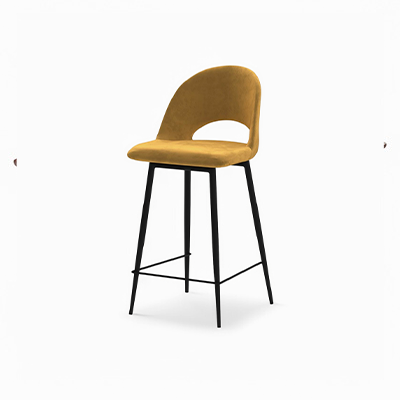
How to choose the height of your bar stool?
Choosing the right bar stool height is essential for sitting comfortably around a kitchen island, counter or high table. Measure the height of the tabletop, then allow approximately 25 to 30 cm between the seat and the underside of the tabletop.
Learn more
Outdoor teak care: protecting outdoor teak furniture
Teak is a living wood: it changes over time and develops a patina. Weathering and hairline cracks are completely normal. In this guide, we explain how to maintain your teak outdoor furniture with a few simple steps each season, so it stays beautiful for a long time.
Learn more
What are the different types of decoration?
Having an interior design that we love is essential for feeling truly at home! However, all styles are very different, and it can sometimes be difficult to choose the one we like best. Discover essential information in this article about interior design and the different styles to create your own haven of well-being and decorate it according to your preferences.
Learn more
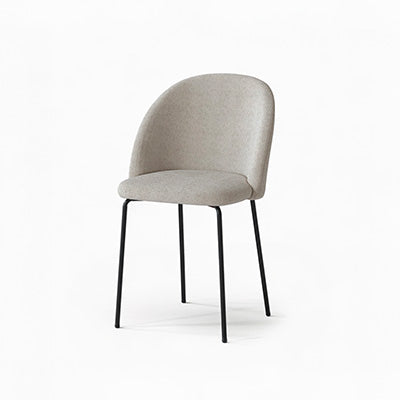
How to choose dining room chairs?
A true decorative feature in its own right, the dining chair is no longer hidden behind our tables. It is the stylish, on-trend element that will make your dining room chic and cosy, and ensure you enjoy a perfect dinner or lunch every time (how sad it is to dine on uncomfortable chairs)! How to choose dining chairs in just a few steps—follow the guide!
Learn more
How to clean a microfiber sofa: 5 techniques
Microfiber is a revolutionary material that feels wonderfully soft to the touch, making it ideal for sofas and armchairs. Its peach-skin finish makes it a particularly pleasant upholstery fabric, especially for seating. Microfiber is made from fine synthetic fibers. With its soft texture, this material provides your sofa or armchair with both comfort and durability. This upholstery is available in a wide range of colors, so you are sure to find a microfiber sofa that will fit perfectly into your living space. When it comes to care, microfiber upholstery is very easy to clean. Here are a few simple, often completely natural techniques for cleaning microfiber seating upholstery
Learn more