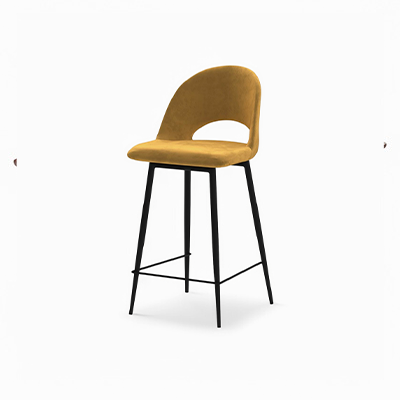
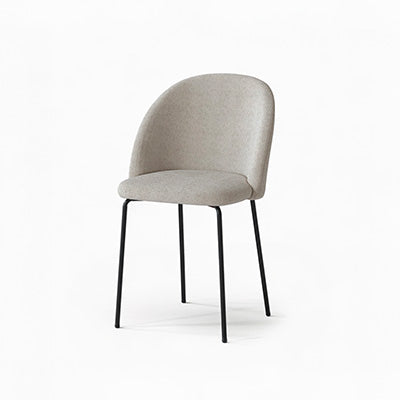
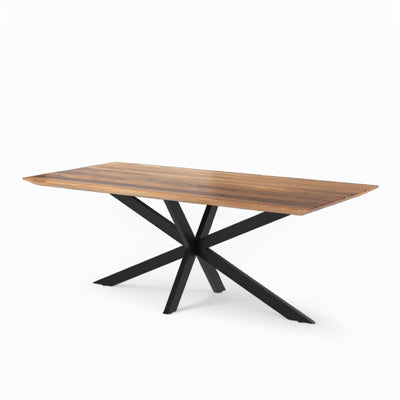
Comfortable, stylish, colourful or understated, mismatched or matching: choosing dining chairs is no easy task.
Often on full display, dining chairs are an integral part of your room’s décor and atmosphere. Choosing them carefully and combining comfort with style is essential: follow our guide to find out how to choose your new dining chairs!
The essentials
- The higher the backrest of your dining chair, the more comfortable the seat.
- With a table approximately 75 cm high, the ideal seat height is around 45 cm on average, or 42 or 43 cm if you are very tall.
- Armrests increase comfort, but reduce the number of chairs you can fit around the table.
- Fabric, velvet and leather are very comfortable and require more maintenance; wood, metal, plastic and rattan are easy to maintain but require a cushion.
- Prices start at around €100 for a set of two chairs, or approximately €50 per chair.

A true decorative feature in its own right, the dining chair is no longer merely a backdrop hidden behind our tables. It is the stylish, on-trend element that will make your dining room chic and cosy, and the one that will ensure you enjoy a perfect dinner or lunch every time (how disappointing, you will agree, to eat lunch or dinner on uncomfortable chairs)!
How can you choose dining chairs in just a few steps? Follow the guide.
Where should you start when choosing your chairs?
Choosing a chair begins even before considering comfort criteria, by defining how it will be used: the room it will occupy, the number of people to seat, whether or not you want to mix different models, and the type of legs that will complement your table base.
Before going into detail about the backrest, seat or materials, ask yourself these four questions:
- Which room is the chair intended for: kitchen, hallway, dining room or office?
- Will it be used indoors or on a terrace?
- Will it be paired with a variety of different models, or form part of a matching set?
- What type of legs will complement your table base?
These four answers will guide everything else. A dining chair, kitchen chair, office chair and bar stool do not have the same height, usage or comfort requirements.
What backrest height should you choose for your dining chairs?
The height of the backrest is the first comfort criterion for a dining chair: the higher the backrest, the more comfortable the seat and the more classic the look. A low backrest offers lighter comfort, a sleek and contemporary style, and is better suited to small spaces and shorter meals.
Putting effort into cooking, ordering a delicious meal or even having a private chef for one evening, only to ruin everything because your dining chairs are uncomfortable: what a disappointment. The dining room is a place for entertaining, where conviviality comes to life: do not subject your guests to an uncomfortable experience.
When considering a chair’s comfort, the first element to take into account is, of course, the height of the backrest: the higher the backrest of your dining chair, the more comfortable the seat.
- A fairly high backrest will also give your décor a more classic and sophisticated feel.
- If you rarely use your dining room, or for meals you do not want to last too long, low-back chairs offer lighter comfort; however, they are more modern and contemporary, give the dining room a sleeker style and are better suited to small spaces.
The backrest height should therefore be chosen according to 3 criteria:
- the size of your dining room: large backrests for large spaces, small backrests for small rooms;
- whether or not the dining chairs will be used regularly;
- how long you like to spend at the table.
What seat height should you choose for your dining chairs? With a high or low backrest?
With a “classic” dining table approximately 75 cm high, the ideal seat height is around 45 cm on average. If you are very tall, a seat height of 42 or 43 cm is preferable, paired with a relatively high backrest.
To feel comfortable on dining chairs, the seat height (the height at which you will be sitting, in short) also plays a role. With a “classic” dining table height of approximately 75 cm, the ideal seat height is around 45 cm on average. However, if you are very tall, you can choose a chair with a seat height of 42 or 43 cm. A relatively high backrest is then the best option.
If this applies to you, do not hesitate to buy your chairs at the same time as your table to make sure you get it right!
Dining chairs: should you choose chairs with or without armrests?
Armrests offer the advantage of a very comfortable seat, but they take up space: you will fit fewer chairs around your dining table. Before buying, check that the armrests slide perfectly and easily beneath your table top.
To increase comfort even further (if this is your top priority), you can also opt for chairs with armrests. Armrests offer the advantage of a very comfortable seat; however, you will fit fewer chairs around your dining table. Also make sure that the armrests slide perfectly and easily beneath your table, to offer your guests (and yourself!) a completely comfortable experience.
Which materials should you choose for dining chairs?
Velvet, leather, wood, plastic shells, faux leather, rattan and fabric share the dining chair market. Textiles and leather are the most comfortable and require the most maintenance; wood, metal, plastic and rattan are easy to clean but require a cushion for comfort.
Velvet, leather, wood, plastic shells, faux leather, rattan or fabric… Dining chairs are now available in a multitude of materials, each with advantages and disadvantages inherent to its nature.
Although the material used to make a chair undeniably affects its comfort, always consider its “use” when making your choice.
| Material | Comfort and maintenance |
|---|---|
| Fabric, velvet, leather | For example, fabric, velvet or leather chairs will be very comfortable and require more maintenance than plastic-shell chairs. Before using them for the first time, remember to protect them with a fabric or leather waterproofing product, which is readily available in shops. |
| Wood, metal, plastic, rattan | Wood, metal, plastic and rattan are very easy to maintain, but you will need to provide a cushion for greater comfort. |
| Faux leather, PU, microfibre | Among the materials that are fairly easy to clean while offering good comfort, a good compromise is provided by chairs with a faux-leather or PU (polyurethane) seat, or microfibre chairs. |
Do you have young children with little hands that could stain the seats, or a pet that might scratch your chairs? The material should first be chosen according to this real-life use.
Which chair base should you choose for your dining chairs?
The base should be chosen according to the available floor space and the desired style. Four straight legs offer the best stability and fit beneath any table, sled bases add a touch of elegance but take up more space, while the crossed bases of Scandinavian chairs provide excellent stability.
Depending on the floor space available in your dining room and the style you want to create, also consider your chairs’ bases and the space they will occupy. Here are our recommendations:
| Type of base | What it provides |
|---|---|
| 4 standard / straight legs | a chair with 4 standard / straight legs offers excellent stability and fits easily beneath any table; it is also easy to clean after a good meal! |
| Sled base | a chair with a sled base also allows for easy cleaning and gives your room a wonderfully chic look, but it takes up more floor space: you may fit fewer chairs beneath your table. |
| Crossed base | a chair with a crossed base, commonly found on Scandinavian chairs, provides excellent stability. |
What style and colour should you choose for dining chairs?
The style of the chairs should be considered in relation to the entire room, not just the table. Traditionally, tables and chairs are matched, but “Mix and Match” now allows you to combine different styles, provided you maintain harmony between the colours, shapes and materials.
Depending on the style of your dining room, whether it is contemporary, classic, rustic, vintage, pop or minimalist, you should consider the style, shape and colour of the chairs you want to bring to this lovely convivial room.
Traditionally, dining chairs were expected to harmonise with the table, as well as with the room’s décor. Until just a few years ago, they were sold together (as a dining room set, which was often part of the trousseau given to newlyweds…).
This is, of course, still a widely accepted approach: dining tables and chairs should match. But things have changed considerably in recent years! Above all, what matters is the harmony created throughout the room, and perhaps also the pleasure of creating your own atmosphere and décor.
Mixing different styles is now very common and widely accepted, and many décor magazines and influencers enthusiastically invite us to embrace “Mix and Match”—or, in plain English, the art of combining different patterns and styles with harmony and boldness… in other words, no longer matching things that traditionally go well together.
You can pair a rustic table with contemporary or industrial chairs, combine Scandinavian chairs with a Japanese-inspired table for a “Japandi” effect, or mix vintage and retro chairs with a contemporary table…
When mixing styles, however, make sure you follow a few tips from our décor experts:
- harmony between the colours, especially if you want chairs with the same shape but different colours;
- harmony between the shapes (straight, tall, square, rectangular or round);
- harmony between the materials: wood and metal always make a successful pairing, marble or stone and velvet are made for each other in a wonderful contrast, while a metal table will happily welcome leather, faux-leather or fabric chairs!
Which chairs should you choose with a white, wooden or monastery table?
To explore style further, our customers regularly ask questions about colour and material combinations between tables and chairs: for example, which chairs should you choose with a white table? Which chairs should you choose with a wooden table, whether dark or light, or one made of solid wood? Or which chairs should you choose if you have a very long, monastery-style table?
We will say it again here: consider the room as a whole. Naturally, it all depends not only on your table, but also on the room’s overall atmosphere. Think of your dining room as a whole, including the pictures on the walls and the other furniture present.
A white table has the advantage of pairing with almost any colour, but be careful not to disrupt the overall atmosphere of your room. If you chose a white table to preserve a typically Scandinavian or Japandi décor, make sure you stick to fairly light colours.
The same goes for a wooden table, which has the advantage of pairing with almost anything: with our metal chairs for a loft or industrial atmosphere, or with velvet chairs for a warmer feel… you can let your imagination run free. If you have chosen a monastery table, with its lyre-shaped base and length of at least 1.80 m, be aware that it was designed to make it easier for guests to move around: choose chairs with a simple design to accompany it.
What budget should you allow for buying dining chairs?
Prices for attractive, practical and sturdy designer dining chairs start at around €100 for a set of two, or approximately €50 per chair, depending on the materials chosen. Since a dining table requires at least 4 chairs, plan for this budget in multiples.
Prices for attractive, practical and sturdy designer dining chairs start, depending on the materials chosen, at around €100 for a set of two chairs, or approximately €50 per chair.
A dining table requires at least 4 chairs (perhaps 6 depending on the size of your table) to remain attractive, convivial, balanced and harmonious. It is therefore important to calculate your budget precisely, taking all the criteria mentioned above into account, so you can buy chairs that will make this room unique and your meals even more enjoyable!
FAQ: choosing your dining chairs
How do you choose dining chairs?
Choosing dining chairs means deciding between six criteria: backrest height, seat height, whether or not to have armrests, the material, the base and the style. Each should be decided according to the room’s actual use and the size of the dining room.
What is the most comfortable dining chair?
The most comfortable dining chair combines a high backrest, a seat height of around 45 cm and armrests. In terms of materials, fabric, velvet and leather are the most comfortable. A cushion can improve the comfort of a wood, metal, plastic or rattan seat.
Can you mix and match your dining chairs?
“Mix and Match” is now very common and widely accepted: a rustic table with contemporary chairs, Scandinavian chairs with a Japanese-inspired table, or vintage chairs with a contemporary table. Three types of harmony should still be maintained: that of the colours, the shapes and the materials.
How many chairs should you place around a dining table?
A dining table requires at least 4 chairs to remain attractive, convivial, balanced and harmonious, and possibly 6 depending on the size of the table. Chairs with armrests reduce this number, as they take up more space around the table top.
Should you choose different chairs depending on the room?
Yes. A dining chair, kitchen chair, office chair and bar stool do not have the same height, usage or comfort requirements. Working from home, for example, has brought the office chair into our homes, with its own adjustment and support requirements.
To find out more, our dining chair collections at affordable prices are waiting for you, featuring a wide selection of stylish and on-trend products!