The essentials
- Japandi comes from the combination of the terms “Japan” and “Scandi” for “Scandinavian”.
- Japandi style lies halfway between Scandinavian comfort, the famous Hygge, and the Zen minimalism of Japanese interiors.
- Japandi focuses on the importance of spaces and their functionality, with comfort in mind: overly superficial décor and accumulation are abandoned.
- Traditional Japanese décor uses natural materials: bamboo, washi paper, traditional ceramics, and motifs such as the cherry blossom, koi carp and crane.
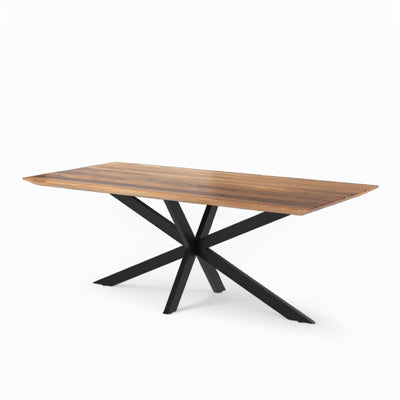
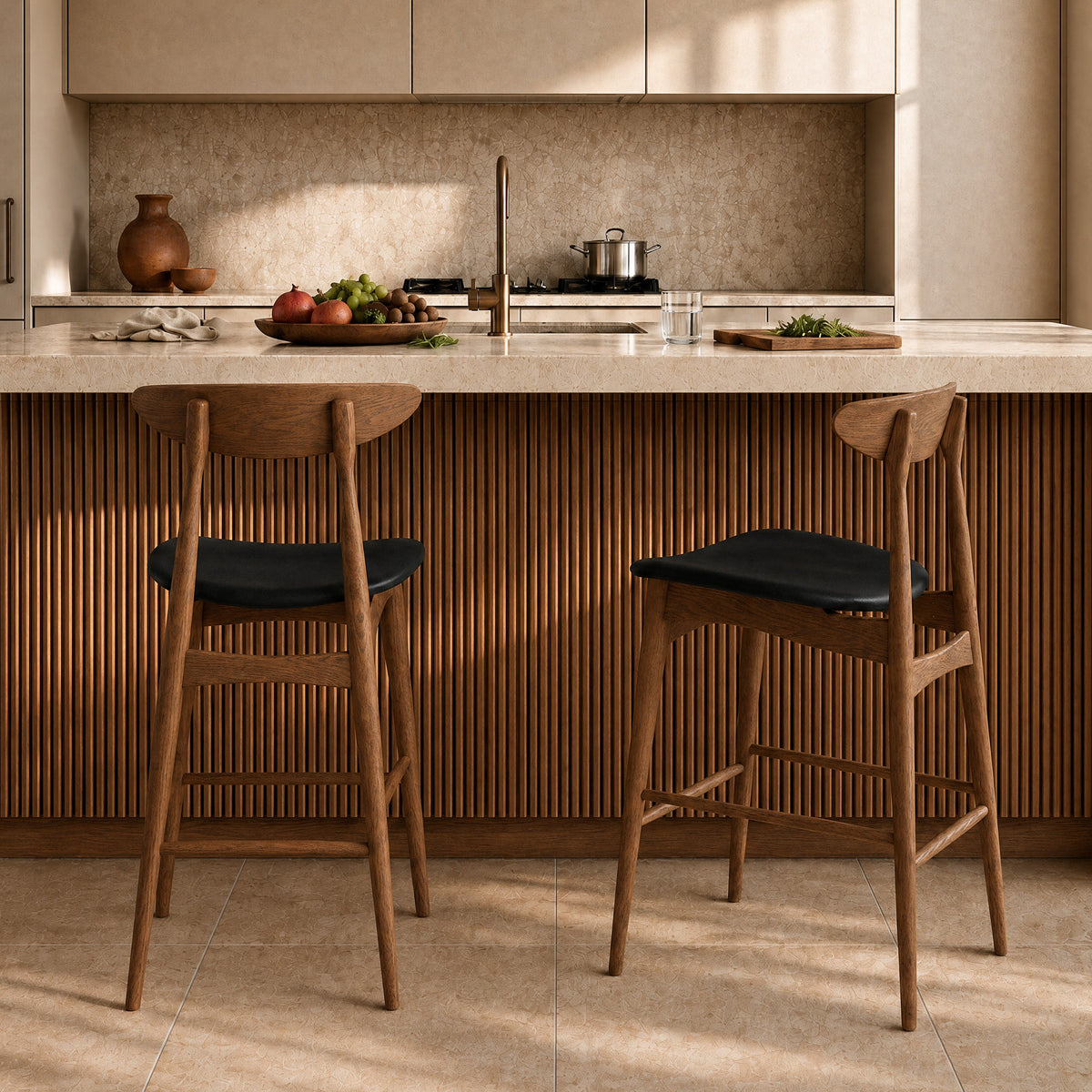
- Creating a Japandi atmosphere involves balancing the light, neutral shades of Scandinavian style with the warm, even dark tones of Japanese furniture (walnut, maple).
A major trend in decoration and furnishings for the coming decade, Japandi style is a true manifesto for a return to the essentials.
Beyond being a simple trend, Japandi is a true art of living, whose influence is highly likely to become a lasting part of our lifestyles and interiors. Let’s decode this new wave sweeping through the world of decoration and furnishings like Hokusai’s wave!

Japandi: what is the definition of this decorating style?
Japandi is a contraction of the terms “Japan” and “Scandi” for “Scandinavian”. Japandi is therefore a style halfway between Scandinavian comfort (or the famous Hygge, Scandinavian-style well-being) and the Zen minimalism of Japanese interiors.

What is Japandi design décor?
In Japandi style, at the crossroads of Japan and Scandinavia, the focus is above all on the importance of spaces and their functionality, with comfort in mind: overly superficial décor and accumulation are abandoned, and simplicity, usefulness and Zen are placed at the heart of our homes, while keeping in mind that this apparent simplicity will bring us warmth and comfort.
The essentials are here: functionality is the cornerstone of Japandi, but it must create calm, serenity and kindness within the home.
What are the characteristics of Japanese-style décor?
Purity of lines, extreme refinement and noble materials are the first words that come to mind when discussing Japanese-style décor. Traditional Japanese décor must also convey honor, duty and love of nature.
We naturally think of a Zen, almost monastic atmosphere created by wooden panels that slide silently instead of slamming doors, seating, low tables such as zataku, very low sleeping arrangements like futons, dark-colored walls that create depth, and calligraphic elements that give the décor a sense of calm and spirituality.
This Japanese-inspired décor also features the unmistakable omnipresence of nature through the use of natural materials such as:
- bamboo,
- washi paper (naturally made from mulberry fibers and found in particular in many light fixtures),
- traditional ceramics,
- and motifs such as the cherry blossom, koi carp and crane, which respectively celebrate earth, water and air.
How can you create Japandi décor at home?
In your living room, kitchen or bedroom, Japandi furniture will fit perfectly into your interior. The starting point lies in balancing colors and wood species:
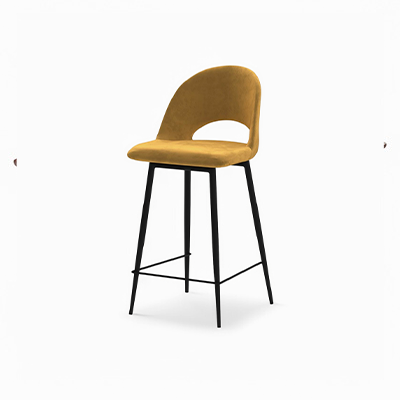
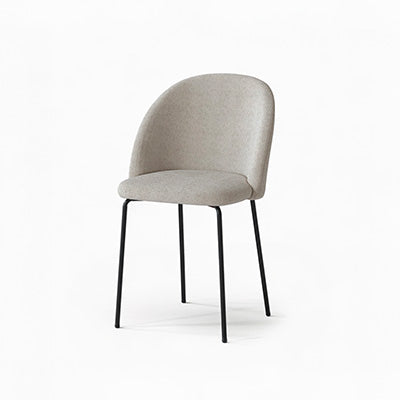
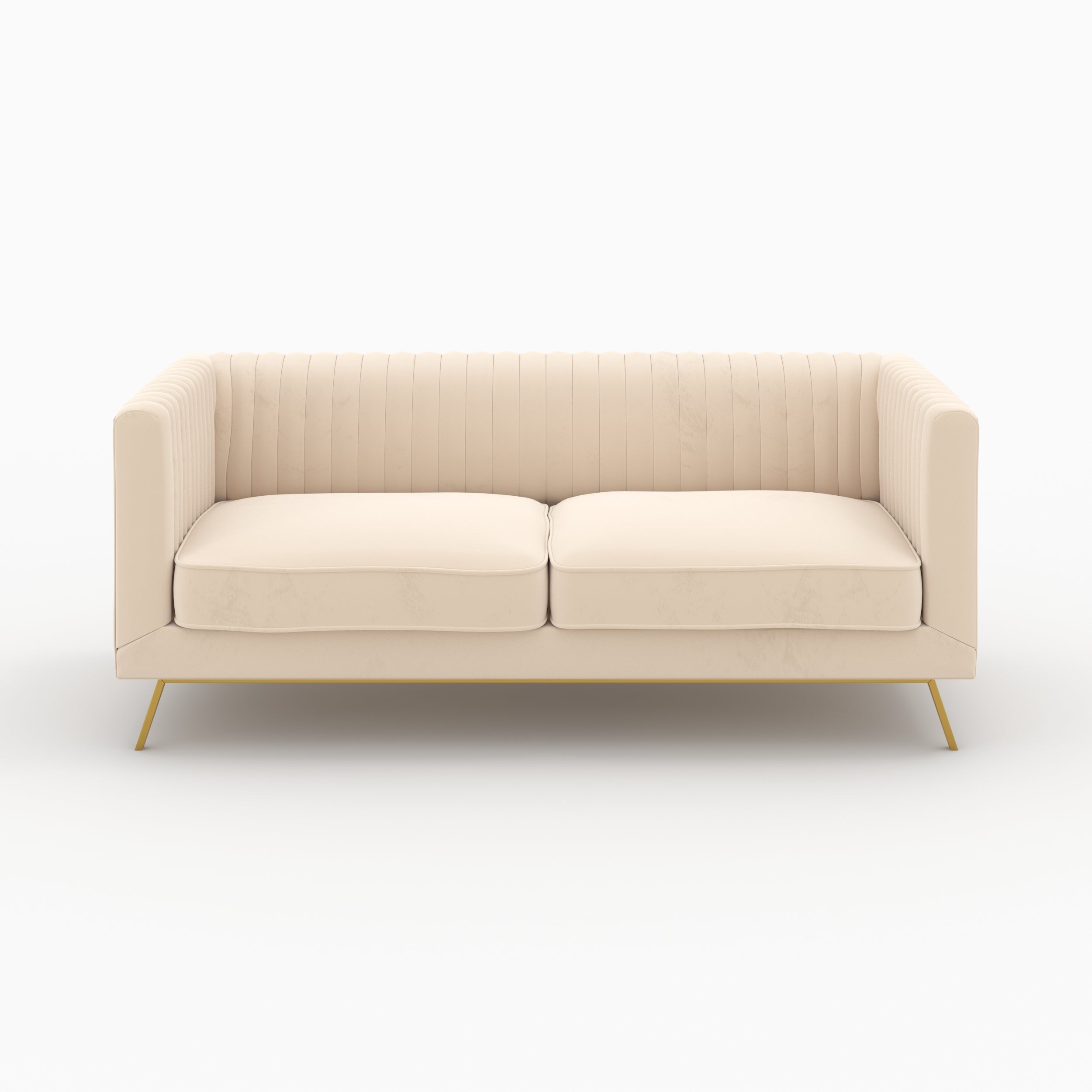
- find the subtle balance between the light, neutral shades of Scandinavian style and the warm, even dark tones of Japanese furniture (walnut, maple) … Don’t hesitate to combine deep colors such as burgundy, navy blue, celadon green or ochre yellow with light-colored furniture (in pine or beech),
FAQ: Japandi style questions
What does the word Japandi mean?
The word Japandi is a contraction of the terms “Japan” and “Scandi” for “Scandinavian”. It refers to a decorating style halfway between Scandinavian comfort, Hygge, and the Zen minimalism of Japanese interiors.
What is the difference between Japandi and Scandinavian style?
Scandinavian style brings comfort and light, neutral shades. Japandi adds the Zen minimalism of Japanese interiors: pure lines, noble materials, and the warm, even dark tones of Japanese furniture such as walnut and maple.
What colors should be used for Japandi décor?
Japandi décor combines light, neutral shades with deep colors: burgundy, navy blue, celadon green or ochre yellow. These deep colors are paired with light-colored furniture, in pine or beech, to balance the overall look.
What materials characterize Japanese décor?
Japanese-inspired décor is based on natural materials: bamboo, washi paper made from mulberry fibers, and traditional ceramics. Cherry blossom, koi carp and crane motifs respectively celebrate earth, water and air.
Is Japandi a lasting trend?
Japandi style is presented as a major trend in decoration and furnishings for the coming decade. Beyond being a simple trend, it is a true art of living, whose influence is highly likely to become a lasting part of our lifestyles and interiors.